

Your guests have already decided whether they’re coming back before they’ve checked out. And you have no idea.
There is a moment that happens on almost every leisure stay. Something goes slightly wrong. It might be minor: a slow check-in, a maintenance issue that was reported and not resolved, a booking that did not quite match what was promised online. The guest does not say anything to staff, they post about it when they get home.
By the time that review lands on TripAdvisor or Google, the guest has already made their decision. They are not coming back. And the operator, who could have fixed the problem in twenty minutes if they had known about it, finds out three days later when there is nothing left to recover. This is the guest experience gap that most leisure and hospitality businesses are not solving. Not because they do not care, but because they do not have the right signals at the right time.
In this article, we explore:
- Why the traditional post-stay feedback model is failing leisure and hospitality operators
- The intervention that changes everything
- Why this matters more for multi-site operators
The feedback loop is broken
The standard tools for understanding guest satisfaction in hospitality are, in most cases, hopelessly delayed. Post-stay surveys arrive after the guest has left. Review platforms surface sentiment weeks after a visit. End-of-season analysis tells you what went wrong six months ago.
None of that helps you save a stay that is going wrong right now.
Large leisure operators, running dozens of sites with thousands of guests on park at any given time, are particularly exposed to this problem. The sheer volume of activity makes it almost impossible to maintain a consistent picture of how guests are actually feeling, and operational teams are stretched too thin to pick up on the signals that do exist.
The result is a business that is genuinely committed to guest experience but is making most of its decisions based on lagging data. It is like driving by looking in the rear-view mirror and wondering why you keep missing the turning.
What real-time guest intelligence looks like
The shift that is available to operators who are willing to invest in it is from post-stay feedback to in-stay intelligence. That means building the capability to understand how a guest is experiencing their stay while they are still on site, not after they have gone home.
A well-designed guest app is the most direct route to this. Not an app that pushes promotional content at guests, but one that gives them a genuinely useful tool for managing their stay, and in doing so creates a stream of behavioural data that tells the operator a great deal about what is working and what is not.
When a guest uses an app to report a maintenance issue, that is a signal. When they abandon a food order halfway through, that is a signal. When they open the activities booking section repeatedly but never complete a reservation, that is a signal. None of these requires the guest to fill in a form or leave a review. The behaviour itself is the feedback.
AI applied to that data stream can surface patterns that no human team would have the capacity to spot. A correlation between a specific accommodation type and higher rates of mid-stay complaints. A time window in the afternoon when service requests spike across multiple sites. A sequence of behaviours that reliably precedes a low post-stay score. These are not hypothetical capabilities. They are available to operators who build the right infrastructure.
The intervention that changes everything
Knowing that a guest is having a poor experience is only useful if you can act on it. And this is where the human element becomes critical.
The technology does not replace the member of staff who knocks on the lodge door and offers to fix the issue. It makes sure that person knows who to go to, and when, before the window closes. An alert to a duty manager. A flagged task in a mobile operations tool. A prompt to a customer experience team that a particular booking has shown multiple friction signals in the past twelve hours.
The operators doing this well are not removing the personal touch from hospitality. They are making it more precisely targeted. Staff time is finite. Directing it towards the guests who most need intervention, at the moment it will make the biggest difference, is simply good operational design.
Why this matters more for multi-site operators
For a single boutique hotel, a skilled general manager with good instincts can often compensate for a lack of data infrastructure. They know their guests. They walk the floor. They hear things.
For an operator running twenty, thirty, or fifty sites simultaneously, that model does not scale. Consistency of guest experience across a portfolio of that size requires systems, not intuition. And the operators who are building those systems now are creating a structural advantage over competitors who are still relying on end-of-stay surveys and seasonal debrief meetings.
The guests who are deciding whether to return, or whether to recommend, are making that decision based on their actual experience. Not on the average score across all guests last quarter. On how their specific stay felt.
If you want to influence that decision, you need to be present in the experience as it happens. The technology to do that exists. The operators who commit to building it in the next twelve months will have a guest retention advantage that is very difficult for slower-moving competitors to close.
The question worth asking
If a guest on your park right now was having a poor experience, would you know about it before they checked out?
If the honest answer is no, that is the problem worth solving. And it is more solvable than most operators currently believe.
Watch On-Demand: Loyalty Unlocked – The Power of Mobile Apps in Hospitality
Discover how to boost guest loyalty and modernise your hospitality experience in our free 30-minute on-demand webinar.
In this session, you’ll learn:
-
How personalisation in apps drives loyalty
-
Ways modern app development lowers costs and simplifies delivery
-
The hidden cost of outdated systems on guest experience
-
Lessons from leading hospitality brands like Crystal Ski
What You’ll Take Away
-
Practical steps to modernise your guest experience
-
Easy ways to scale personalisation without adding cost or complexity
-
A clear roadmap to replace outdated systems and avoid common mistakes
👉 Watch the webinar on demand and unlock your loyalty potential today.
Speak to an Expert & Book Your Free Discovery Session
Exploring a mobile app for your hospitality business doesn’t have to be complicated. With expert guidance, the process can be faster, smarter, and more effective — helping you make decisions with confidence and focus.
At Vidatec, we work with hospitality teams to:
-
Understand your current digital systems and guest experience gaps
-
Identify opportunities where a mobile app will have the biggest impact
-
Discuss practical, cost-effective solutions tailored to your business
-
Create a clear, actionable roadmap for implementation
-
Ensure personalisation and usability are at the heart of your solution
Whether you’re just testing the waters or ready to modernise your entire guest experience, our team can guide you every step of the way.
👉 Speak to one of our experts and start exploring mobile app solutions that will delight your guests and boost loyalty.
Hospitality is built on experience, and apps are now the foundation of that experience. Outdated systems hurt loyalty and revenue, but modern, personalised apps can transform every interaction into an opportunity to delight guests. Start by understanding your current gaps, focus on personalisation, and give your guests a digital experience they’ll remember, and return for.
Let Our Team Help Your Team
Take the Next Step to Delivering a Better Employee Experience Through AI with Vidatec
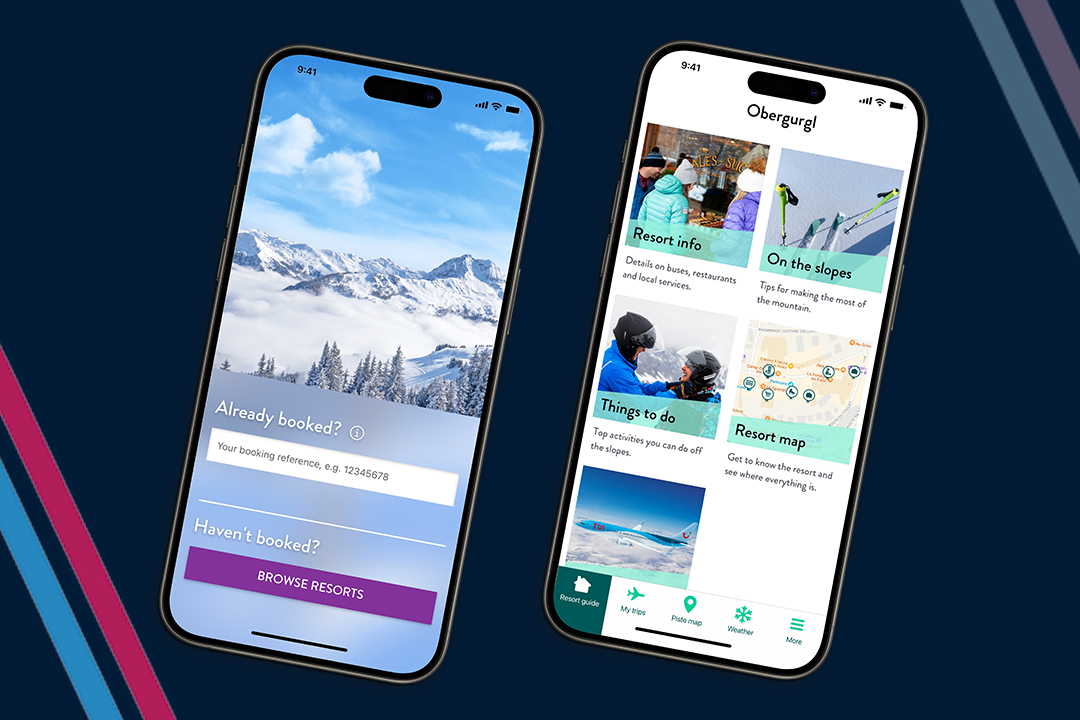
Learn More About our work with Crystal Ski
The Crystal Ski Explorer app puts everything skiers need right at their fingertips—helping them hit the slopes with all the info they need, exactly when they need it.
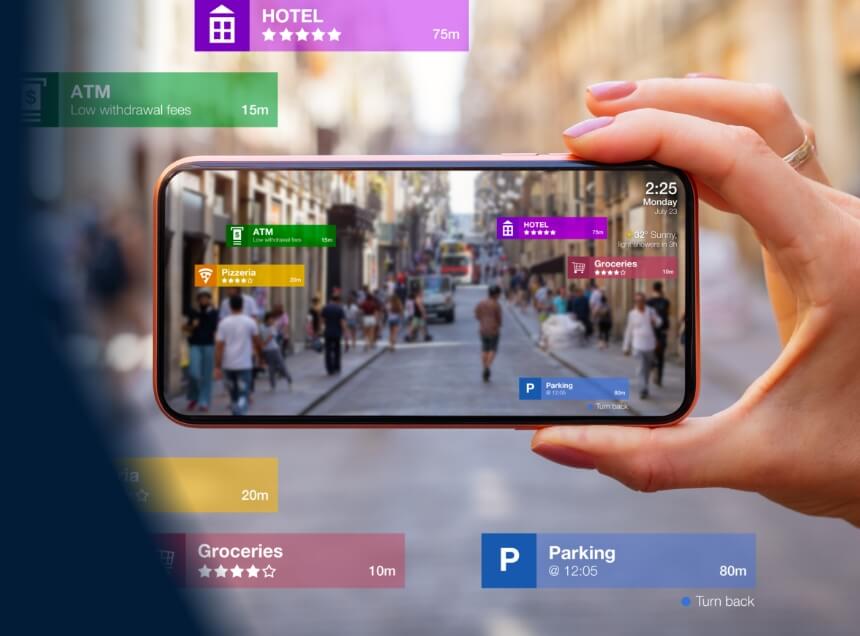
Register for our Next 30-Minute Expert-Led Mobile App Webinar
Hear directly from our CTO, Nick Welch and Tommy Doherty as they explore how today’s platforms can make it faster, easier, and more cost effective to deliver personalised digital experiences that keep guests coming back.
Read More of Our Latest Insights on Mobile Apps & Guest Experience
Want more practical insights from our tech team? We regularly share real-world lessons from building AI solutions, developing apps, helping businesses transform digitally, and tackling challenges across different industries.






Meet the author